

10 Oct 2026
Using rel-ease, vs using wordpress with plug-ins to manage memberships etc and how using multiple…
Managing memberships, subscriptions, and user access is a critical function for many businesses, especially those offering online services, educational programs, or exclusive content. Whether you're running a fitness studio, a digital course provider, or a community platform, the ability to control who has access to what—and when—can make or break your operations. However, the tools you choose to manage this process can significantly impact your reliability, security, and overall user experience.
Understanding the Need for Membership Management
Managing memberships, subscriptions, and user access is a critical function for many businesses, especially those offering online services, educational programs, or exclusive content. Whether you're running a fitness studio, a digital course provider, or a community platform, the ability to control who has access to what—and when—can make or break your operations. However, the tools you choose to manage this process can significantly impact your reliability, security, and overall user experience.
WordPress has long been a popular choice for website creation, and its ecosystem of plugins has made it possible to extend its functionality to meet a wide range of needs. Plugins like MemberPress, Restrict Content Pro, and Ultimate Member have been used to manage memberships, subscriptions, and user roles. While these tools offer flexibility, they also come with inherent risks that can affect the stability and performance of your site over time. Understanding these risks is essential before deciding whether to use WordPress with plugins or explore alternative solutions like rel-ease.
The Risks of Using Multiple WordPress Plugins
One of the most common pitfalls of using WordPress for membership management is the reliance on multiple plugins. Each plugin adds its own set of features, but they also introduce potential points of failure. For instance, when a plugin is updated, it may not be fully compatible with other plugins or with the latest version of WordPress. This can lead to conflicts, broken functionality, and even site downtime.
Consider a scenario where a business uses three different plugins to manage memberships, subscriptions, and user roles. If one of these plugins undergoes a staged update, it might inadvertently break the functionality of another. This can result in users being unable to log in, subscriptions not being processed correctly, or access controls being misconfigured. In such cases, the lack of a central point of responsibility means that troubleshooting becomes a guessing game, with no clear owner for the issue.
Rel-ease: A Centralized Alternative
Rel-ease offers a different approach to managing memberships and user access by integrating these functions directly into its platform. Instead of relying on multiple plugins, rel-ease provides a unified set of tools that are designed to work together seamlessly. This reduces the risk of incompatibility and ensures that updates are handled in a way that maintains the integrity of your data and workflows.
For example, rel-ease’s built-in membership management tools allow you to control access to content, manage user roles, and track subscription statuses without the need for third-party plugins. These tools are developed and maintained within the rel-ease ecosystem, ensuring that they are regularly updated and optimized for performance. This centralized approach not only enhances reliability but also simplifies the management of user access and permissions, making it easier to scale your operations as your business grows.
Understanding the Risks of WordPress with Plugins for Membership Management
WordPress has long been a popular choice for website management, offering a flexible and customizable platform for businesses of all sizes. However, when it comes to managing memberships, subscriptions, or access-controlled content, many users turn to plugins to extend its functionality. While plugins can add valuable features, they also introduce a range of risks that can impact the reliability and performance of your site. One of the most common issues is the complexity that arises from using multiple plugins, especially when they are not well-integrated or maintained.
For instance, consider a scenario where a business uses several plugins to manage memberships, including one for user registration, another for payment processing, and a third for content access control. Each plugin operates independently, and while they may seem to work well at first, the cumulative effect of their interactions can lead to unexpected problems. Staged updates to one plugin might break the functionality of another, causing the entire membership system to fail. Incompatibility between plugins can also result in data loss, incorrect user permissions, or even security vulnerabilities that compromise sensitive information.
Moreover, the lack of core responsibility in a plugin-based approach means that no single plugin is accountable for the overall stability of the membership system. If a plugin is poorly coded or outdated, it can introduce bugs or performance issues that are difficult to trace back to a specific source. This makes troubleshooting and maintaining a reliable membership system significantly more challenging. In contrast, a centralized platform like rel-ease offers a more streamlined and integrated approach to managing memberships, reducing the risk of these issues.
Why Rel-ease Offers a More Reliable Alternative
Rel-ease is designed to provide a unified platform that eliminates the need for multiple plugins and their associated risks. Instead of relying on a patchwork of third-party tools, rel-ease integrates all necessary functionality into a single, cohesive system. This means that membership management, access control, and content delivery are handled within the same workspace, ensuring consistency and reducing the potential for conflicts or errors.
For example, rel-ease’s built-in membership and access control features allow businesses to manage user roles, permissions, and content visibility without the need for external plugins. This not only simplifies the user experience but also ensures that all changes are made within a single, secure environment. Additionally, rel-ease’s modular architecture allows businesses to activate or deactivate specific features as needed, giving them greater control over their digital operations without the overhead of managing multiple plugins.
Another key advantage of rel-ease is its focus on reliability and performance. Since all features are developed and maintained within the same platform, updates and changes are carefully tested to ensure compatibility and stability. This reduces the risk of staged updates causing disruptions or incompatibilities that can plague a WordPress site with multiple plugins. Furthermore, rel-ease’s centralized approach means that there is a single point of responsibility for the entire system, making it easier to identify and resolve issues when they arise.
Deciding Whether to Start with a Pilot or a Conversation
When evaluating whether to adopt rel-ease or continue with a WordPress-based solution, it’s important to consider the specific needs of your organization. If your current setup involves multiple plugins for membership management and you’ve experienced issues with reliability, incompatibility, or lack of core responsibility, rel-ease may offer a more stable and efficient alternative. However, if your current system is working well and you’re not encountering significant issues, a small pilot or a focused conversation with rel-ease’s team could help you explore the benefits of a centralized platform without committing to a full transition.
A pilot allows you to test rel-ease’s features in a controlled environment, assessing how well it meets your specific requirements for membership management and access control. This approach gives you the opportunity to see firsthand how rel-ease can simplify your operations and reduce the risks associated with a plugin-based system. Alternatively, a focused conversation with rel-ease’s team can provide valuable insights into how their platform can be tailored to your needs, helping you make an informed decision about whether to proceed with a pilot or explore other options.
Ultimately, the choice between rel-ease and a WordPress-based solution depends on your organization’s priorities and the complexity of your membership management needs. By understanding the risks associated with multiple plugins and the benefits of a centralized platform, you can make a more informed decision that aligns with your long-term goals for operational efficiency and reliability.
Keep reading
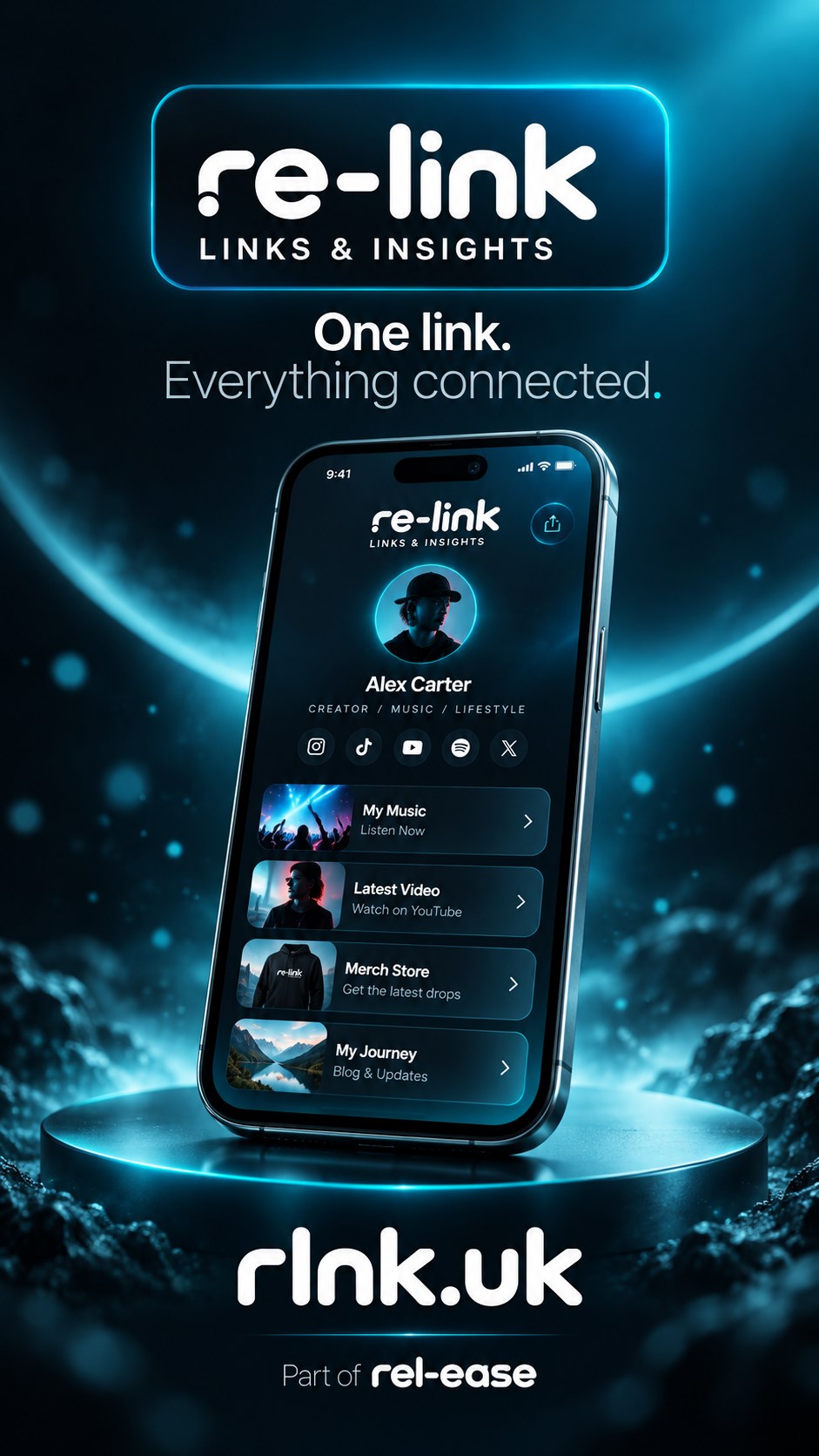
Re-Link Is the Secret Weapon
Running a business in today’s digital age means juggling multiple platforms—Instagram, Facebook, TikTok, and more. Each of these platforms has its own set of rules, audience expectations, and content formats. But one of the most overlooked challenges is managing your links. Whether you’re promoting a new product, sharing a blog post, or linking to your website, having a clear, organized system for your links is essential. That’s where re-link comes in. With re-link, you can create a centralized link page that keeps your social.

Using rel-ease to sell tickets for your event
Running an event can be a thrilling experience, but the logistics of ticket sales can quickly become overwhelming. Whether you're organizing a local workshop, a community festival, or a high-profile conference, managing ticket sales efficiently is crucial to ensuring a smooth and successful event. rel-ease offers a powerful solution for event organizers looking to streamline the ticketing process. In this guide, we'll walk you through how to use rel-ease to sell tickets for your event, from setting up your event to managing bookings and payments.
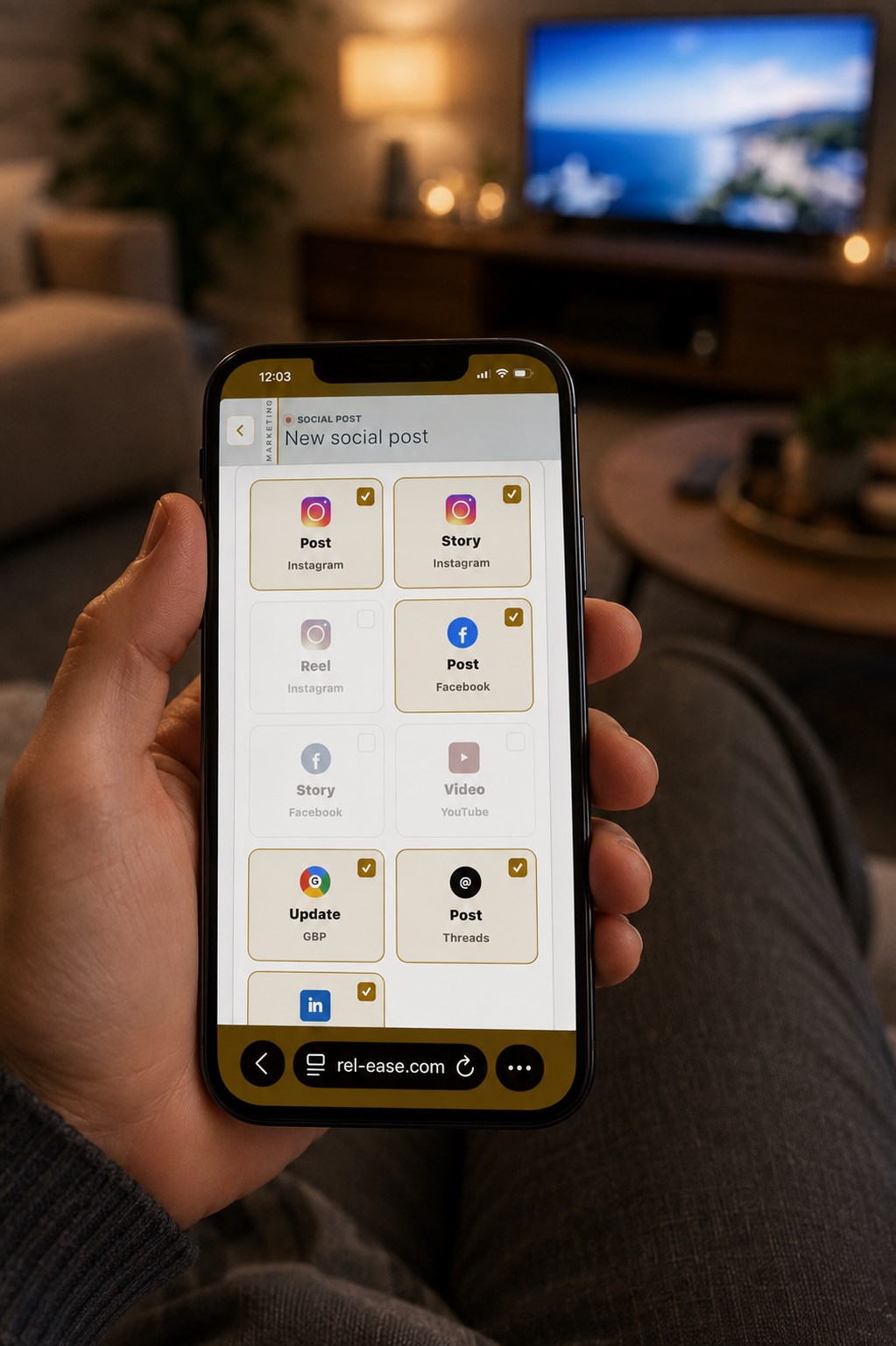
Calendar
Availability, appointments and booking foundations. Calendar manages availability, appointment types and customer booking routes. The business can define when people are available, what customers can book, how long appointments take and which team members or services are involved. Customers can then be guided to book without a long back-and-forth message thread. Calendar is useful for consultations, calls, appointments, sessions, visits and repeat services. It connects naturally with inbox replies, forms, reminders, payments and the wider team view, so booking information is not isolated from the.