

30 Aug 2026
Choosing an all-in-one business platform: a practical rel-ease guide
Choosing an all-in-one business platform starts with the work your team actually needs to complete. This practical guide helps you map workflows, assess verified rel-ease capabilities and plan a controlled implementation without relying on unsupported product comparisons.
Start with the workflow decision
Workflow Decision: Content Creation and SEO Integration
A business owner or marketing manager is responsible for creating and publishing content that supports both internal operations and external visibility. This involves managing content creation, metadata setup, SEO alignment, and technical maintenance across the website and digital channels. The process often includes identifying content opportunities, drafting content, setting up metadata, ensuring technical readiness, and monitoring performance.
Current Process Mapping
- Content Identification and Planning
- The business identifies service pages, local service opportunities, or campaign ideas.
- These ideas are translated into content outlines or briefs, often with minimal guidance on how to structure or optimize for search.
- Metadata, such as titles and descriptions, may be missing or generic, leading to missed SEO potential.
- Content Creation and Drafting
- Content is written or sourced, often without clear SEO alignment.
- Metadata is either manually entered or left blank, resulting in inconsistent or unoptimized page elements.
- Content may lack depth, repetition, or local relevance, reducing its effectiveness for search and user engagement.
Map the work and information hand-offs
- Technical Setup and SEO Integration
- Pages are published without a structured approach to metadata, sitemap inclusion, or technical validation.
- XML sitemaps are either manually maintained or not generated at all, limiting crawler discovery.
- Broken links, missing assets, or incorrect metadata may go unnoticed until after publication.
- Post-Publishing Review and Optimization
- Once published, content is rarely reviewed for SEO alignment or technical accuracy.
- There is no centralized system to track content quality, metadata consistency, or technical health.
- Manual checks are time-consuming and error-prone, leading to delays and missed opportunities.
Practical Evaluation Checklist
- Content Identification
- Are service pages or local opportunities identified based on real business offerings and location data?
- Is there a clear plan for content depth and relevance to specific search queries?
Build a practical evaluation checklist
- Metadata and SEO Alignment
- Are titles and descriptions optimized for search intent and aligned with the content?
- Is the content structured to support local search, including location-based keywords and service-specific details?
- Technical Readiness
- Is the page included in an automatic XML sitemap with accurate descriptions and update dates?
- Are broken links, missing assets, or incorrect image references identified and resolved before publication?
- Workflow Integration
- Is the content creation process connected to SEO and technical validation tools?
- Are metadata and technical checks integrated into the publishing workflow, reducing the need for manual intervention?
- Post-Publishing Review
- Is there a system in place to review content quality, metadata accuracy, and technical health after publication?
- Are there mechanisms to catch and correct issues such as broken CTAs, missing images, or misaligned metadata?
- Editorial Ownership and Control
- Can content quality and SEO alignment be managed by editorial teams without requiring external tools or developer hand-offs?
- Is there a clear process for reviewing, refining, and publishing content with SEO considerations embedded in the workflow?
This checklist supports a structured, search-ready publishing process that aligns content creation with SEO best practices and technical maintenance, ensuring that content is both useful and discoverable.
Assess the verified capabilities
To assess verified rel-ease capabilities against a checklist, begin by mapping each core function to specific business needs and technical requirements. For instance, the Local SEO feature should be evaluated against the ability to generate location-specific content, align with search intent, and avoid content duplication. Similarly, the Automatic XML sitemap function must be tested for its ability to dynamically update with new content, include accurate metadata, and expose a public sitemap URL for search engine crawlers.
Next, plan a controlled implementation by starting with a small subset of pages or services. For example, a cleaning company might begin by creating a single location-specific service page, such as “end of tenancy cleaning in Reading,” using the Local SEO tool. This allows for testing the accuracy of the content generated, the relevance of the keywords used, and the effectiveness of the page in driving local traffic. During this phase, it is important to monitor the performance of the page using standard SEO metrics such as organic traffic, bounce rate, and conversion rate.
Plan a controlled implementation
Once the initial implementation is validated, expand the scope to include more pages and services. This gradual rollout ensures that any issues or inconsistencies can be identified and addressed early. It also allows for the integration of other rel-ease features, such as AI SEO Assist and Technical checks, to ensure that the entire content lifecycle is optimized for search visibility and user experience.
Choose a measured next step
Finally, after a successful implementation phase, the next step is to conduct a comprehensive review of the results. This includes analyzing the impact on search rankings, user engagement, and business outcomes. Based on this review, a detailed plan for further optimization and scaling can be developed, ensuring that the use of rel-ease capabilities remains aligned with the business's strategic goals and technical capabilities.
Keep reading
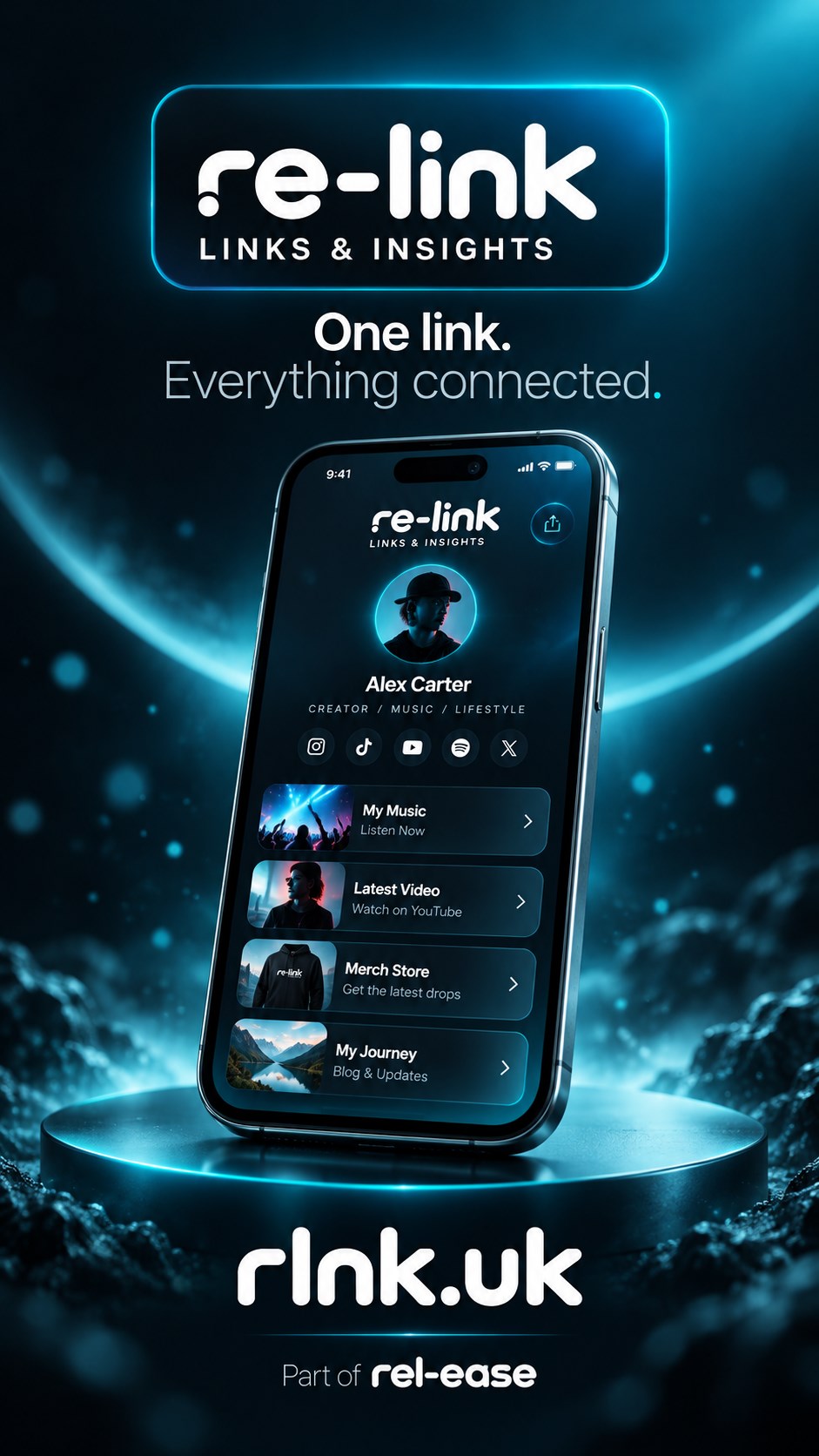
Re-Link Is the Secret Weapon
Running a business in today’s digital age means juggling multiple platforms—Instagram, Facebook, TikTok, and more. Each of these platforms has its own set of rules, audience expectations, and content formats. But one of the most overlooked challenges is managing your links. Whether you’re promoting a new product, sharing a blog post, or linking to your website, having a clear, organized system for your links is essential. That’s where re-link comes in. With re-link, you can create a centralized link page that keeps your social.

Using rel-ease, vs using wordpress with plug-ins to manage memberships etc and how using multiple…
Managing memberships, subscriptions, and user access is a critical function for many businesses, especially those offering online services, educational programs, or exclusive content. Whether you're running a fitness studio, a digital course provider, or a community platform, the ability to control who has access to what—and when—can make or break your operations. However, the tools you choose to manage this process can significantly impact your reliability, security, and overall user experience.

Using rel-ease to sell tickets for your event
Running an event can be a thrilling experience, but the logistics of ticket sales can quickly become overwhelming. Whether you're organizing a local workshop, a community festival, or a high-profile conference, managing ticket sales efficiently is crucial to ensuring a smooth and successful event. rel-ease offers a powerful solution for event organizers looking to streamline the ticketing process. In this guide, we'll walk you through how to use rel-ease to sell tickets for your event, from setting up your event to managing bookings and payments.